When Is the Best Time of Year to Install Solar Panels on a Home?

Timing of Installation

If you are considering solar panels Dorset homeowners often ask one important question first. When is the best time of year to install solar panels on a home in the UK?

It is a sensible question. The timing of installation can influence installer availability, short term energy generation and even how quickly you begin to see financial returns. Yet the honest answer may surprise you. In the United Kingdom there is rarely a wrong time to install home solar energy panels. There are, however, certain seasons that may offer practical advantages depending on your priorities.

This guide explores seasonal considerations, performance in British weather, financial timing and the technology that underpins modern solar panels for your home.
solar growatt battery

How Do Solar Power Work?

Before discussing timing, it is worth briefly clarifying how do solar power work in practice.

Solar panels for home UK properties contain photovoltaic cells, often manufactured by brands such as Canadian Solar panels or Q Cells. These cells absorb daylight rather than direct heat. When light particles strike the panel surface, electrons are set in motion, generating direct current electricity.

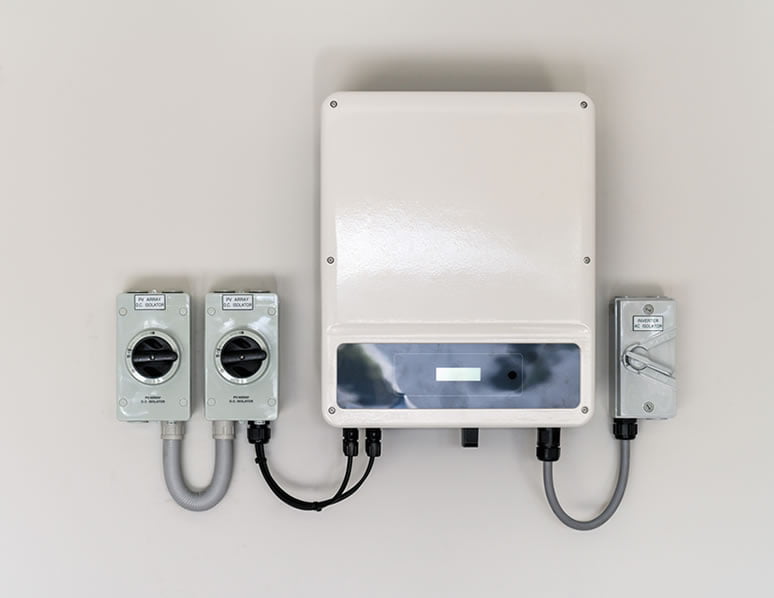
An inverter such as a Fronius solar inverter, Solar Edge system or Enphase Energy microinverter converts that electricity into alternating current suitable for use in your home. If you install a battery such as a Growatt battery, surplus electricity can be stored for use in the evening.

The crucial point is this. Solar panels generate electricity from daylight, not sunshine alone. Even on overcast Dorset days, your system continues to produce power.

Solar Panels Dorset Climate Considerations

Dorset enjoys relatively mild winters and respectable daylight hours across much of the year. Coastal air can be brisk, yet cooler temperatures can actually improve panel efficiency. Excessive heat can slightly reduce performance, so moderate British conditions are far from a disadvantage.

For homeowners exploring solar panels for your home in Dorset, the region offers stable generation throughout the year. While summer yields the highest output, winter still provides meaningful contribution to household consumption.
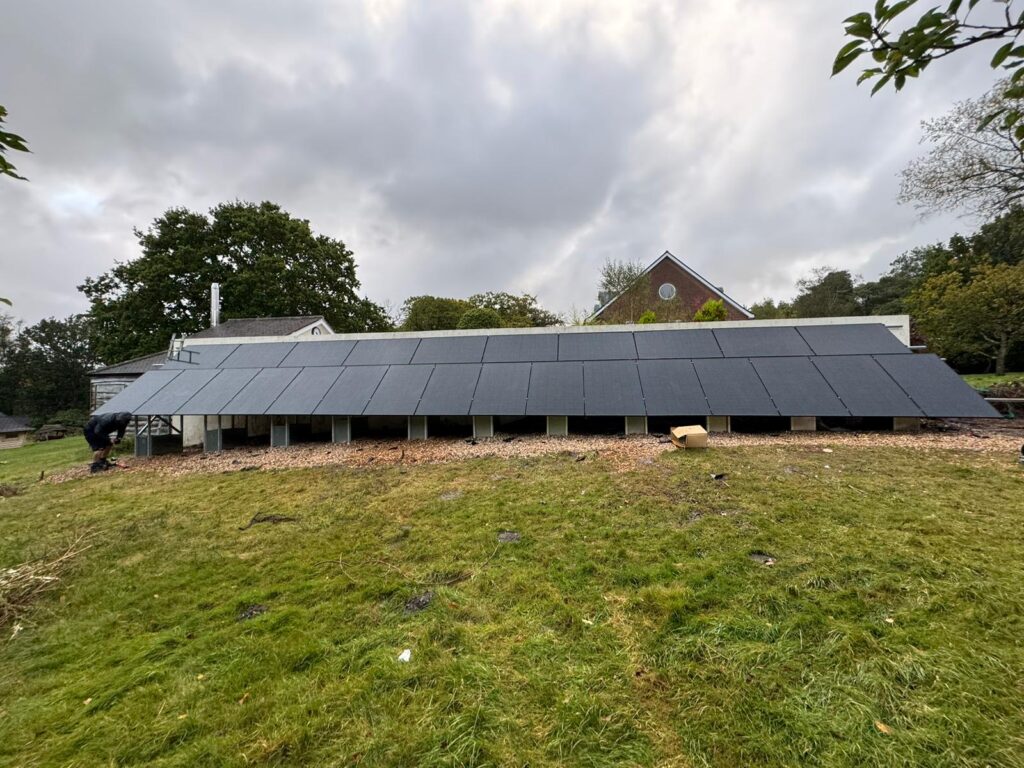
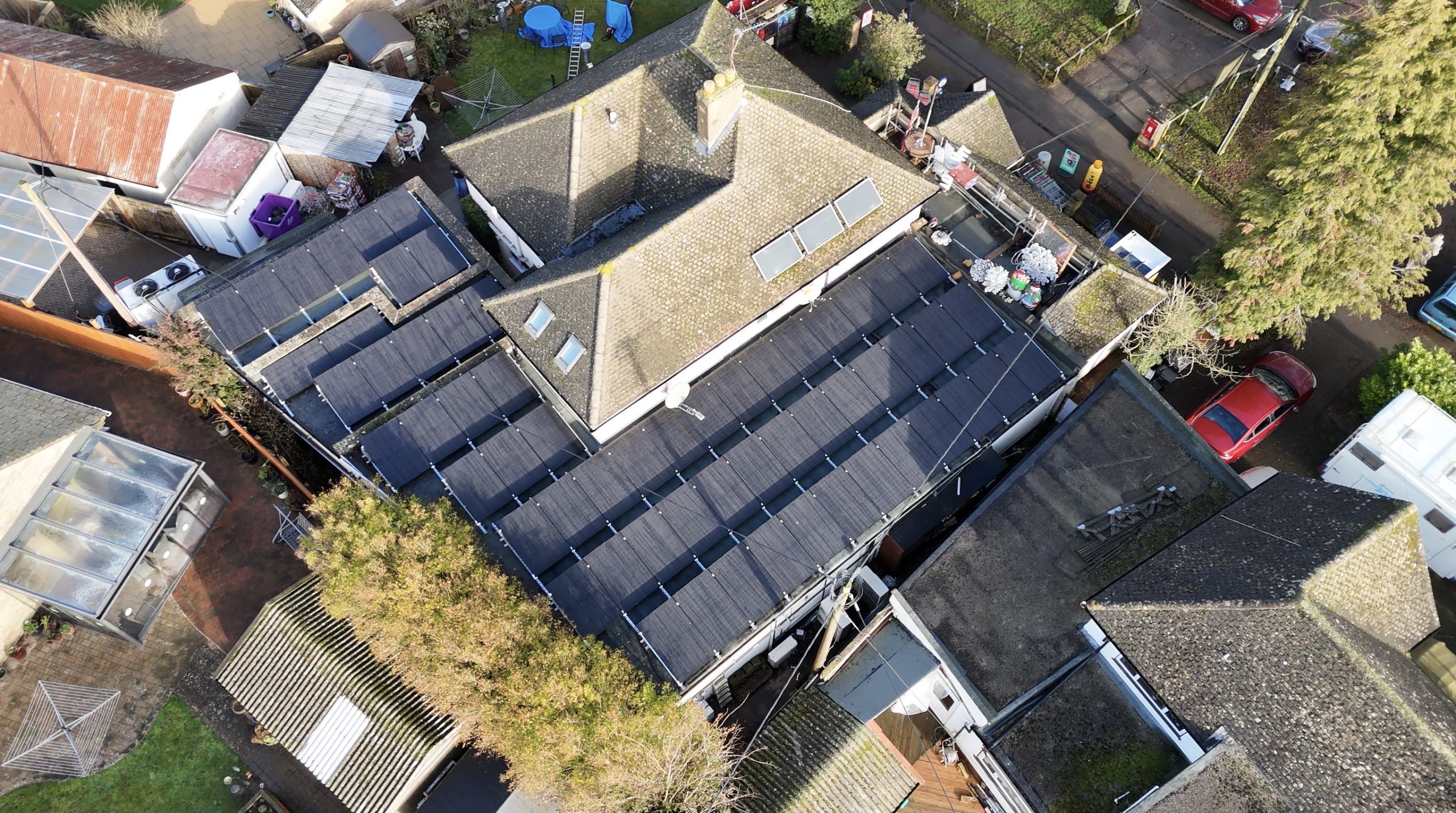
solar panel installation in poole

Spring Installation

Spring is often regarded as an ideal balance.

During March, April and May:

  • Daylight hours increase steadily
  • Installers are becoming busier but are not yet at peak demand
  • Systems can be commissioned ahead of summer’s strongest generation period

Installing in spring allows your solar panels Dorset property owners invest in to perform at high output almost immediately. You benefit from the long days of late spring and summer, accelerating your early return on investment.

From a practical standpoint, weather conditions are generally cooperative, making roof work straightforward.

Summer Installation

Summer brings the highest solar generation of the year. It is also the busiest period for installers.

Advantages include:

  • Immediate high energy production
  • Rapid savings during peak daylight months
  • Ideal weather for installation

However, demand is typically strongest between June and August. Lead times may be slightly longer, particularly for premium equipment such as Canadian Solar, Q Cells or Enphase systems.

If your priority is maximising first year generation, summer is attractive. If your priority is faster scheduling, earlier in the year may prove more convenient.
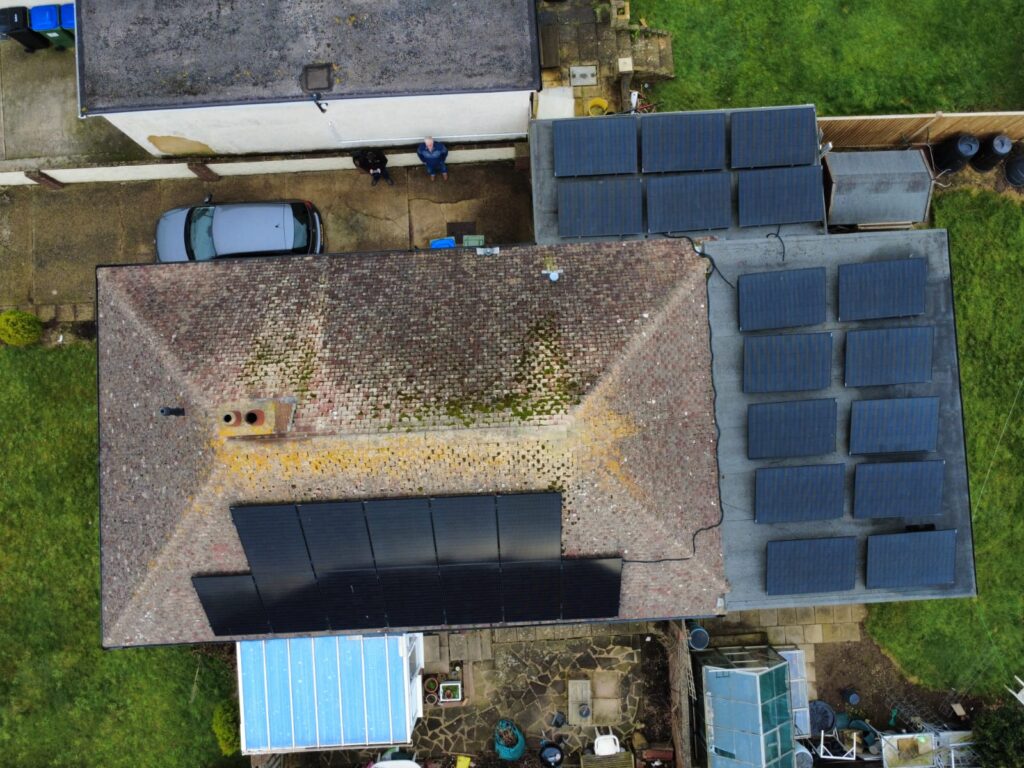
solar panels in bournemouth

Autumn Installation

Autumn is frequently overlooked, yet it offers distinct benefits.

By September and October:

  • Installer demand often eases
  • Temperatures remain mild
  • You are positioned for winter energy savings

Although generation declines compared with summer, installing in autumn ensures your system is operational before winter energy bills rise. With electricity prices remaining volatile in recent years, even modest winter generation can meaningfully reduce household costs.

Autumn also allows time to integrate battery storage such as a Growatt battery, improving self consumption during darker evenings.

Winter Installation

Many homeowners assume winter is unsuitable. This is a misconception.

Solar panels for home UK properties continue to function effectively in winter. Modern panels from manufacturers such as Canadian Solar panels or Q Cells perform well in cool conditions, and cold temperatures can even improve efficiency.

While daylight hours are shorter, installation teams can often schedule projects more quickly due to reduced demand. If you are planning ahead for spring and summer savings, winter installation positions you advantageously.

Provided weather conditions are safe, professional MCS certified installers can complete most residential systems within one to two days at any time of year.
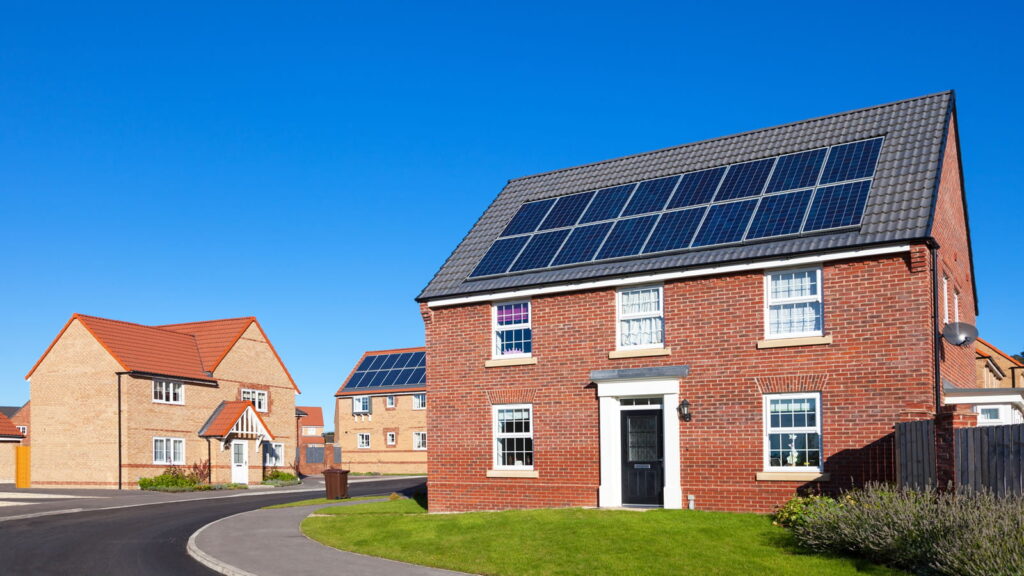
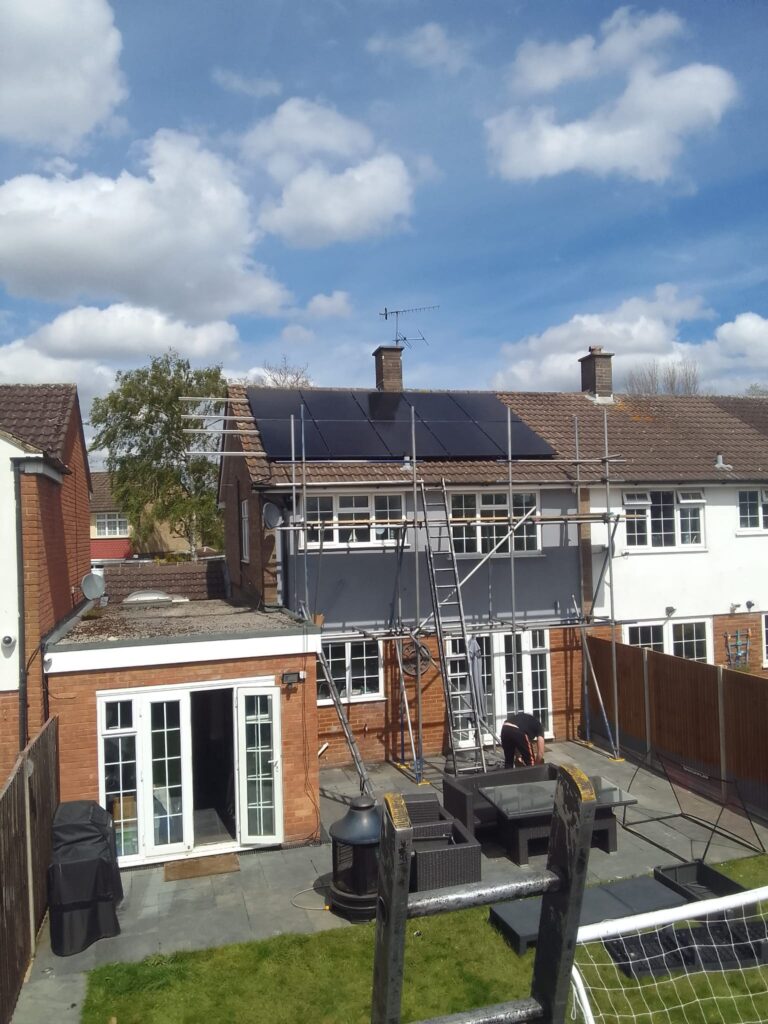
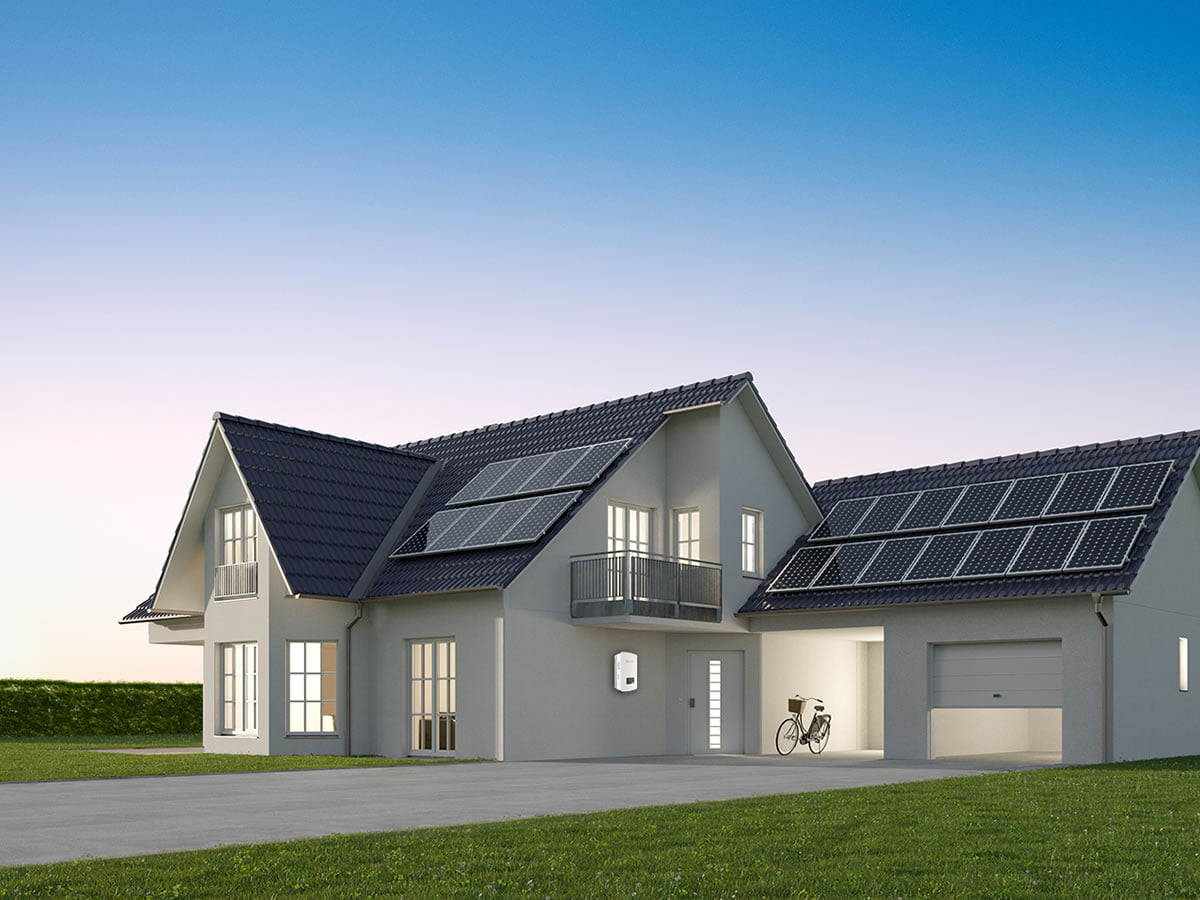
House on estate with solar panels

Financial Timing and the Smart Export Guarantee

Beyond weather, financial timing deserves careful consideration.

The Smart Export Guarantee allows homeowners to receive payment for surplus electricity exported to the grid. The sooner your system is operational, the sooner you begin generating both savings and export income.

Average residential systems in the UK typically range between five thousand and nine thousand pounds depending on size, roof complexity and whether battery storage is included. A business solar panel installation will vary more significantly depending on scale.

Given ongoing energy price uncertainty, delaying installation often means postponing savings. In many cases, installing sooner rather than later shortens your overall payback period.


Technology Matters More Than Season

While season influences scheduling and early generation, system design and equipment quality often have a greater long term impact.

High quality panels such as Canadian Solar and Q Cells are known for durability and strong warranties. Inverter technology from Fronius solar inverter systems, Solar Edge or Enphase Energy ensures efficient conversion and monitoring.

Battery options including a Growatt battery allow homeowners to store excess electricity, increasing independence from the grid.

Choosing a qualified MCS certified installer ensures compliance, eligibility for the Smart Export Guarantee and adherence to recognised installation standards.

In truth, the best time of year to install solar panels Dorset residents are considering often depends more on readiness than season. Once you have decided to invest, each month without solar is a month of forgone savings.

Frequently Asked Questions

Do solar panels work on cloudy days in Dorset?

Yes. Solar panels generate electricity from daylight rather than direct sunlight. Output is reduced compared with bright summer days, but generation continues throughout the year.

How long does installation take?

Most residential solar panels for your home can be installed within one to two days, depending on system size and roof access.

Are solar panels worth it in the UK climate?

Yes. Even with variable weather, solar panels for home UK properties typically deliver strong long term savings, particularly with battery storage.
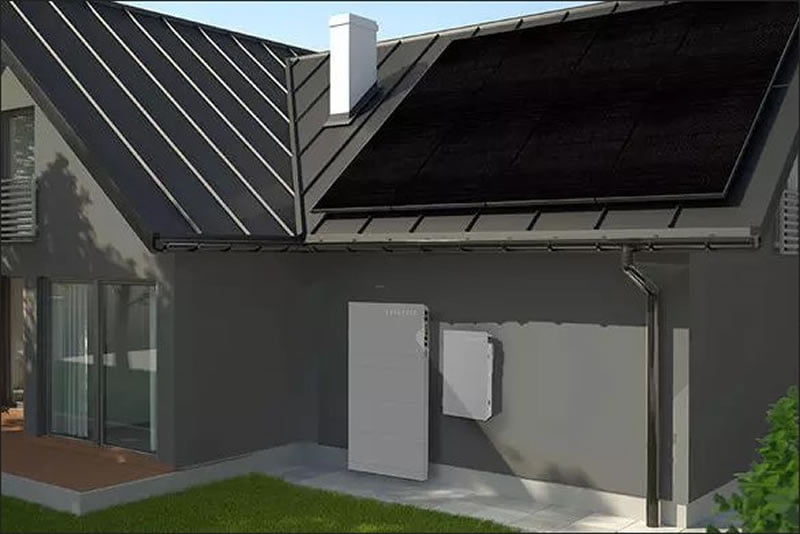
panasonic battery

Final Thoughts

There is no narrow window in which solar makes sense. The United Kingdom climate is entirely suitable for home solar energy panels, and Dorset offers favourable conditions throughout the year.

The true question is not which season is perfect, but whether you are ready to begin saving.

As an MCS certified installer, My Home Solar designs and installs premium systems tailored to each property, combining trusted panel manufacturers, advanced inverter technology such as Enphase or Solar Edge, and intelligent battery storage solutions.

If you are considering solar panels Dorset homeowners trust, now is an excellent time to act before seasonal demand rises.

Book your consultation with My Home Solar today and take control of your energy future.

Error: Contact form not found.
Is Home Solar Still a Safe Investment for UK Households?

Strategic Financial Decision

For many households in Dorchester Dorset and across the South Coast the question is no longer whether energy prices are high but whether they will ever return to predictable levels. Over the past few years British homeowners have experienced sharp price fluctuations inflationary pressure and growing concern about long term grid stability. In that context home solar has increasingly been viewed not merely as a lifestyle upgrade but as a strategic financial decision.

Yet caution remains sensible. Middle income homeowners across England are rightly asking whether home solar still represents a safe and rational investment in 2025. Is it resilient against policy change. Does it deliver meaningful returns. And how does it compare with traditional options such as savings accounts ISAs or property investment.

The short answer is that when designed and installed correctly home solar remains one of the most stable long term domestic investments available to UK households. The longer answer deserves careful analysis.


The UK Energy Landscape and Why It Matters

Energy markets in England remain exposed to global commodity pricing geopolitical disruption and infrastructure strain. While price caps offer temporary protection wholesale volatility continues to influence domestic tariffs. According to recent UK energy data electricity costs remain materially higher than historical averages prior to 2021.

For households in Dorset and along the South Coast where a significant proportion of housing stock is owner occupied rising energy bills directly affect disposable income. Unlike many other expenses electricity is non discretionary. Consumption may be reduced but it cannot be eliminated.

Home solar therefore functions as a form of partial energy independence. By generating electricity on site a household reduces exposure to market driven price spikes. In investment terms this provides a form of inflation hedging. The value of each kilowatt hour generated increases in proportion to grid prices. In periods of elevated tariffs the financial benefit strengthens rather than weakens.

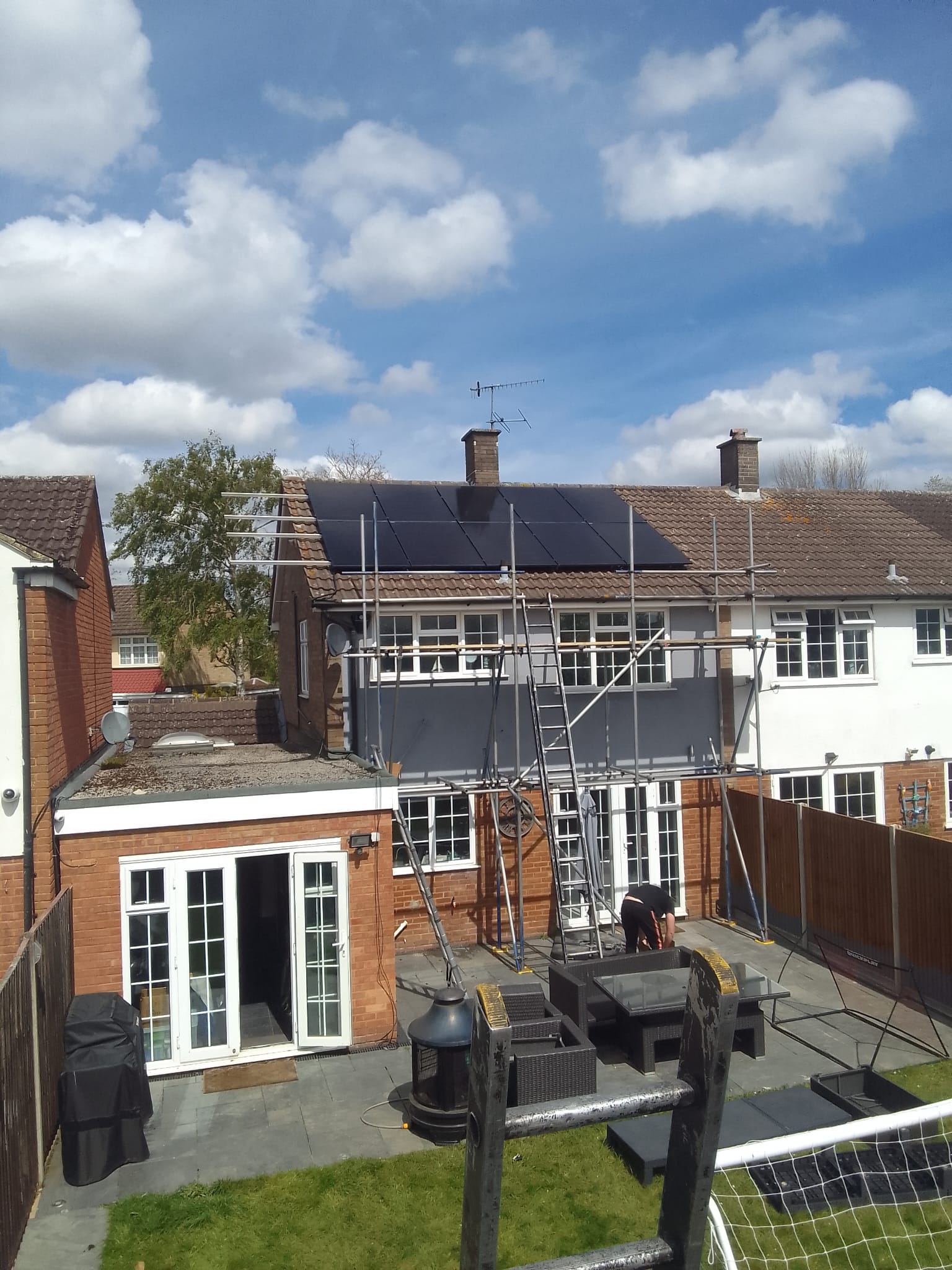
Solar panels installed on house roof

What Does Home Solar Cost in England

For a typical residential property in Dorchester or elsewhere in Dorset a standard home solar installation in 2025 generally ranges between six thousand and twelve thousand pounds depending on system size roof configuration and whether battery storage is included.

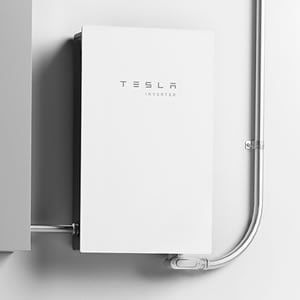
A three bedroom semi detached house in Dorchester might require a system of around four kilowatts. Installed without battery storage costs often fall between seven and nine thousand pounds. Adding battery storage such as a Growatt battery or Tesla Powerwall increases initial outlay but materially improves self consumption and long term return.

Commercial systems for small businesses naturally involve higher capital investment yet operate on similar financial principles. For present purposes however the residential case remains most relevant to household investors.


Return on Investment and Payback Period

The central question is return. A well positioned home solar system in southern England can typically achieve payback within seven to ten years depending on energy usage patterns and export rates. After that period electricity generation effectively becomes a source of cost free supply for the remaining life of the system.

Modern panels including premium options such as SunPower Maxeon and Panasonic EverVolt are designed for operational lifespans exceeding twenty five years. Degradation rates are modest often around half a per cent annually. Even after two decades panels commonly retain the majority of their original output.

To illustrate with a conservative scenario consider a Dorset household spending fifteen hundred pounds annually on electricity. If home solar reduces that expenditure by fifty to sixty per cent annual savings may approach eight hundred pounds. Over twenty five years cumulative savings can comfortably exceed twenty thousand pounds even before accounting for energy price inflation.

Compounding operates quietly but powerfully. Each year of avoided energy purchase increases lifetime return. If electricity prices rise savings rise proportionally.


Comparison with Other Investments

When compared with traditional low risk instruments home solar displays distinctive characteristics.

Investment Type Risk Level Average Return Volatility Inflation Hedge
Home solar Low Moderate Very low Strong
Savings account Very low Low Very low Weak
Cash ISA Very low Low Very low Weak
Residential property Moderate Moderate Moderate Moderate

Savings accounts and ISAs provide liquidity and capital protection but frequently fail to outpace inflation. Property can appreciate meaningfully but carries transaction costs maintenance obligations and market cyclicality.

Home solar occupies a middle ground. It involves upfront capital yet once installed produces predictable returns through bill reduction. Its volatility is minimal because savings arise from avoided expenditure rather than speculative market performance.


Government Support and Export Income

The Smart Export Guarantee enables households to receive payment for surplus electricity exported to the grid. While rates vary by supplier export income enhances overall return particularly for households without battery storage.

In addition zero rated VAT on residential solar installations in England has materially improved affordability. Policy support has therefore strengthened rather than weakened the investment case in recent years.

Technology Reliability and Risk Mitigation

Concerns regarding durability are understandable but increasingly outdated. Modern photovoltaic panels undergo rigorous testing for wind loading thermal cycling and moisture ingress. Premium products such as SunPower Maxeon and Panasonic EverVolt are engineered for longevity and efficiency.

Battery storage has further refined the financial equation. Systems such as the Growatt battery and Tesla Powerwall allow households to store excess daytime generation for evening use. This increases self consumption and reduces reliance on grid electricity during peak tariff periods.

From a risk management perspective professional system design remains essential. Roof orientation shading structural integrity and inverter specification all influence performance. A reputable local installer ensures accurate modelling and long term reliability.

Property Value and Market Perception

Across Dorset and the South Coast energy efficiency increasingly influences buyer preference. Improved EPC ratings and visibly installed home solar systems signal lower future running costs. While exact premiums vary estate agents frequently report stronger buyer interest in energy efficient homes.

In competitive housing markets the presence of home solar may therefore enhance saleability and perceived value even if the precise uplift is case specific.


Risks and How to Address Them

No investment is entirely without risk. Shading from neighbouring trees suboptimal roof pitch or future regulatory change may affect projected returns. However these risks can be materially mitigated through thorough survey and conservative financial modelling.

The key variable remains quality of installation. An experienced local company with established presence in Dorchester and Dorset provides continuity reassurance and accountability.

Why Choose My Home Solar in Dorchester

My Home Solar brings local expertise grounded in Dorset conditions rather than generic national templates. Understanding roof types prevalent across the South Coast housing stock allows precise system design. Familiarity with regional planning considerations ensures smooth project progression.

Equally important is post installation support. A home solar system is a long term asset. Ongoing guidance monitoring and maintenance underpin investment security.


Understanding Compounding Savings in Simple Terms

Imagine a household that saves eight hundred pounds in the first year. If energy prices rise by three per cent annually that saving also increases. Over twenty five years the accumulated avoided cost significantly exceeds the initial outlay. The system in effect produces a predictable stream of financial benefit much like a low volatility bond linked to energy inflation.

Battery storage enhances this effect by maximising usage of generated electricity rather than exporting it at lower rates.

Conclusion

For households in Dorchester Dorset and across England the evidence suggests that home solar remains a safe and rational long term investment. It offers inflation protection predictable returns and tangible control over energy expenditure. When compared with traditional low yield savings vehicles it frequently delivers superior lifetime value with limited volatility.

In an environment where energy uncertainty persists the strategic case for home solar remains compelling.

To explore tailored projections for your property speak with My Home Solar and obtain a detailed consultation grounded in local expertise and rigorous financial modelling.

Error: Contact form not found.

Frequently Asked Questions

Is home solar still worth it in the UK?
Yes for many households in England payback periods of seven to ten years remain achievable and systems continue generating savings for decades thereafter.

How long does home solar take to pay for itself?
Typical residential systems in southern England achieve payback within seven to ten years depending on system size usage and export rates.

Do solar panels increase property value in Dorset?
Energy efficient homes often attract stronger buyer interest and improved EPC ratings can enhance saleability.

How Does Enphase Energy Microinverter Tech Improve Solar Performance?

Solar Technology

As more homeowners and businesses across Dorset look to harness the power of the sun, solar technology continues to evolve in ways that make systems more efficient, reliable, and intelligent. One innovation that has truly transformed solar performance is the Enphase Energy microinverter. While it might sound like a small component, it plays a huge role in how much energy your solar panels can actually produce.

If you are considering installing solar panels or upgrading your existing system, understanding how Enphase microinverters work and why they outperform traditional systems can help you make a more informed investment in your property’s energy future.


The Role of Inverters in a Solar System

To understand the value of Enphase microinverters, it helps to start with the basics. Solar panels generate direct current (DC) electricity from sunlight. However, homes and businesses in the UK use alternating current (AC). The inverter’s job is to convert the DC power produced by your solar panels into AC power that can be used by your electrical systems and appliances.

Traditionally, most solar systems rely on a single device known as a string inverter. This connects multiple solar panels in a series. While effective, this setup has a major limitation. If one panel’s performance drops, perhaps because of shade from a nearby tree or a build-up of dirt, the entire string’s output is reduced. It’s a bit like having a row of lights where one faulty bulb causes the whole string to dim.

That is where microinverters, and specifically Enphase Energy’s advanced technology, make a huge difference.

How Enphase Microinverters Work

Instead of using one large inverter for an entire solar array, Enphase installs a small, independent microinverter behind each individual panel. Each of these microinverters converts the DC electricity into AC power right at the source.

By working independently, each panel can perform at its best without being affected by any others. This design means your solar system can continue producing maximum power even if one or more panels are partially shaded, dirty, or facing a slightly different direction.

In Dorset’s mixed weather conditions, this kind of panel-level optimisation ensures that you’re getting the most out of your investment every single day of the year.

Enphase battery

The Main Benefits of Enphase Technology

Higher Energy Yield
Because each solar panel operates independently, your system can generate more electricity overall. In many cases, Enphase microinverters can increase energy production by between 10 and 25 percent compared with systems that use traditional string inverters. That translates directly into better returns and lower electricity bills.

Superior Reliability
Traditional inverters create a single point of failure. If that one device breaks down, your entire system stops producing energy until it is repaired or replaced. Enphase microinverters eliminate that risk. Each unit is a self-contained system, meaning if one fails, the others continue working normally. With millions of units installed worldwide, Enphase reports an exceptionally low failure rate of less than 0.05 percent. Every microinverter also comes with an impressive 25-year warranty, which is far longer than the average warranty for central inverters.

Improved Safety
Safety is another key reason why many UK homeowners and commercial clients prefer Enphase systems. Because each microinverter converts power at the panel level, there are no high-voltage DC cables running across the roof. This reduces the risk of electrical faults or fires and makes maintenance work safer for installers and engineers.

Smarter Monitoring and Control
Enphase offers an intelligent monitoring platform called Enlighten. Through the app or online portal, you can see exactly how each individual panel is performing in real time. If one panel starts producing less energy, you’ll know instantly and can take action to resolve the issue. This level of visibility simply isn’t possible with older inverter systems that only show the performance of the system as a whole.

Easy System Expansion
As energy needs grow, homeowners often want to add more panels. With traditional systems, this can be complicated and sometimes requires replacing the inverter altogether. Enphase systems make expansion simple. You can add new panels and microinverters without affecting the existing setup, keeping your system flexible and scalable for the future.

Enphase vs Traditional String Inverters

While string inverters have been the standard for many years, they come with inherent limitations. If one panel experiences shading, bird droppings, or even minor damage, it drags down the performance of every other panel connected to the same inverter. Over time, that results in significant energy losses.

Enphase microinverters solve this problem by allowing every panel to function independently. It doesn’t matter if one is shaded or slightly misaligned; the rest continue to produce maximum power. This is particularly important for homes in Dorset, where roof angles, shading from chimneys, and variable sunlight can affect panel performance.

In essence, traditional string inverters belong to an older generation of solar systems. Enphase represents the modern, intelligent alternative that delivers higher performance, better reliability, and longer system life.

Enphase Batteries

Real-World Performance in Dorset and the UK

The UK’s changing weather conditions present unique challenges for solar energy production. Dorset, in particular, experiences varying sunlight levels, coastal winds, and frequent cloud cover. These factors can cause fluctuations in system output, especially for conventional inverter setups.

Enphase microinverters handle these conditions brilliantly. Because each panel performs independently, your system can continue generating power even when some panels receive less sunlight. During cloudy or partially shaded periods, you still benefit from optimised energy capture from every unshaded panel.

In colder months, Enphase systems maintain their efficiency levels, converting power consistently and reliably regardless of outdoor temperature. The technology is built to withstand the rigours of the UK climate, providing dependable energy all year round.

Proven Data and Efficiency

Enphase microinverters are among the most efficient on the market, achieving conversion rates of over 97 percent. In comparison, many string inverter systems average around 95 percent. That difference might seem small, but over time, it equates to hundreds of kilowatt-hours of extra power every year.

The company’s track record also speaks volumes. With millions of installations globally and an exceptionally low defect rate, Enphase has become a trusted choice for solar professionals and homeowners alike. Their long-term reliability and consistent performance are major reasons why My Home Solar recommends them to clients throughout Dorset.

Enphase inverter

Integration with Smart Energy Systems

Modern energy management goes beyond simply generating power. Enphase technology integrates seamlessly with smart home systems, energy storage, and even electric vehicle charging setups. The Enphase monitoring platform gives you complete control over how your system operates and allows you to make data-driven decisions about when to use or store electricity.

Combined with the UK’s Smart Export Guarantee, which lets you sell unused electricity back to the grid, this level of control can help you maximise savings and improve energy independence. Enphase systems are also compatible with a wide range of batteries, making it easy to upgrade to energy storage whenever you are ready.

Why Choose Enphase and My Home Solar

Choosing Enphase microinverters is about more than just technology. It’s about investing in a solar system that works smarter, lasts longer, and produces more clean energy every day. At My Home Solar, we specialise in designing and installing Enphase-powered systems across Dorset for both residential and commercial properties.

Our team combines technical expertise with local knowledge of Dorset’s climate, building styles, and energy tariffs. We tailor every system to suit your property’s layout and ensure optimal performance throughout the year. When you work with us, you get more than just panels on your roof you get a system built for long-term efficiency and reliability.


Conclusion

Enphase Energy’s microinverter technology represents a major leap forward in solar energy performance. By converting power at the panel level, it overcomes the limitations of traditional inverter systems and ensures every panel contributes as much as possible to your total energy output. The result is a safer, more efficient, and more intelligent solar system that delivers real value for Dorset homeowners and business owners alike.

If you are ready to make the switch to a more advanced solar system, contact My Home Solar today. Our experts will help you design and install an Enphase-powered system that maximises your property’s potential and reduces your energy bills for years to come.

Error: Contact form not found.

Understanding the Tech Behind My Home Solar’s Inverters and Optimisers

Sustainable Power

Solar energy has emerged as a beacon of sustainable power, especially in the UK where renewable energy sources are becoming increasingly pivotal in combating climate change. My Home Solar stands at the forefront of this green revolution, providing state-of-the-art solar panel installations, solar batteries, and additional accessories for both commercial and residential settings. In this blog, we will delve into the technology behind two critical components of solar energy systems: inverters and optimisers. These elements are key to maximising the efficiency of solar panels and ensuring that your home or business harnesses the sun’s power most effectively.


Understanding Solar Inverters

A solar inverter is the heart of your photovoltaic (PV) system. While solar panels convert sunlight into direct current (DC) electricity, most homes and businesses run on alternating current (AC) electricity. This is where the inverter comes in – it converts DC into AC, making the energy usable for your property’s electrical devices.

Inverters also play a crucial role in the overall performance and monitoring of your solar energy system. They collect data on your system’s output and allow you to track how much energy your panels are producing. This can be invaluable for understanding your energy savings and ensuring your system is functioning correctly.

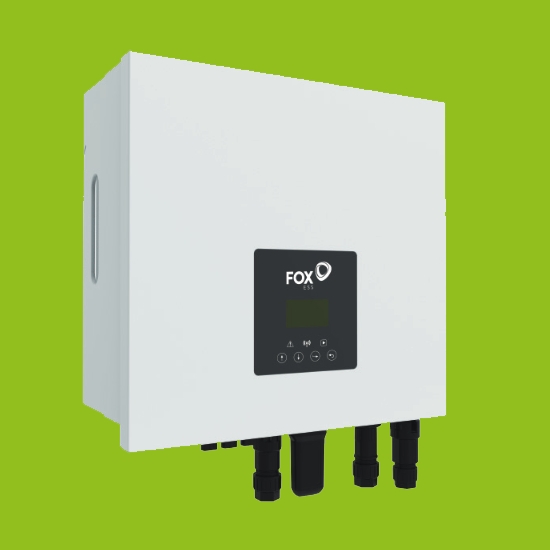
At My Home Solar, we use cutting-edge inverters that are compatible with leading solar battery brands, such as Fox ESS. These advanced inverters not only convert and regulate solar power but also seamlessly integrate with solar batteries. This allows for efficient energy storage, enabling you to use solar energy even when the sun isn’t shining – a typical challenge in the UK’s varied climate.


The Role of Solar Optimisers

While inverters are essential for converting solar energy into usable power, solar optimisers play a pivotal role in maximising the efficiency of each solar panel. In a typical solar array without optimisers, the entire system operates at the efficiency of the least productive panel. This can be due to shading, debris, or differences in panel orientations. However, with optimisers, each panel operates independently, ensuring that the performance of one does not affect the others.

Solar optimisers are particularly beneficial for properties in areas prone to shading or those with complex roof layouts. They are installed on each panel and work by adjusting the voltage and current to maintain optimal performance, regardless of different lighting conditions. This means that even if one panel is in the shade, the rest of your array can still operate at full capacity.

By integrating optimisers into your solar energy system, My Home Solar ensures that you get the most out of your investment. Our systems are designed to work efficiently with high-quality panels such as those from Longi and Jinko, known for their superior performance and reliability.


The Synergy between Inverters and Optimisers

The combination of solar inverters and optimisers provides a robust solution for managing and maximising the efficiency of your solar energy system. This synergy ensures that each part of your system is working at its best, translating to higher energy output and greater savings on your energy bills.

My Home Solar’s commitment to using industry-leading technology like Fox ESS batteries and Longi/Jinko solar panels, coupled with advanced inverters and optimisers, provides our customers with a seamless and highly efficient solar solution. Whether for residential or commercial use, our systems are tailored to meet the unique needs of your property, ensuring that you make the most of the UK’s solar potential.

JinkoSolar Tiger Neo Black Solar Panel

The Benefits of Choosing My Home Solar

Choosing My Home Solar for your renewable energy needs means investing in quality, efficiency, and sustainability. Our expert team is dedicated to providing personalised solutions, ensuring that every component of your solar energy system is optimised for maximum performance. Here are just a few benefits of partnering with us:


High-Performance Technology

We select only the best solar panels, inverters, and optimisers to ensure your system operates at peak efficiency.

Expert Installation and Maintenance

Our experienced technicians ensure that your system is installed correctly and continues to perform optimally over its lifespan.

Customised Solutions

We understand that every property is unique. That’s why we offer customised solutions designed to meet your specific energy needs and architectural constraints.


Conclusion

The technology behind solar inverters and optimisers is fundamental to the efficiency and effectiveness of your solar energy system. At My Home Solar, we understand the importance of integrating the latest technologies to provide our customers with the best possible solar solutions. Our commitment to quality, combined with our expertise in solar energy, makes us the ideal choice for those looking to harness the sun’s power in the UK.

Investing in a solar energy system equipped with the right inverters and optimisers can significantly impact your energy consumption and costs. With My Home Solar, you can rest assured that your renewable energy journey is in expert hands. We are here to guide you every step of the way, from initial consultation to installation and beyond, ensuring that your transition to solar energy is smooth and beneficial.

In a world where sustainability is increasingly important, choosing the right solar energy provider is crucial. My Home Solar is dedicated to helping you make the most of this clean, renewable resource with our cutting-edge technology and personalised service. Together, we can create a brighter, greener future.

Error: Contact form not found.